Back and spine
Mechanical lower-back pain, postural neck pain, disc herniation without serious involvement, and spondylitis. In water the spine is unloaded and deep muscles can be worked without overloading.
Aquagym is a group class: music, rhythm, everyone doing the same thing, with a fitness goal. Therapeutic swimming is the opposite — programmed work on a specific limitation, with more individual correction and no competitive element.
In practice that shows up in three ways:
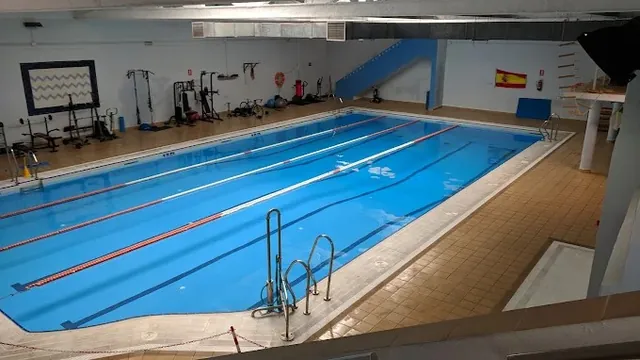
Water lets you move without carrying your body weight. That makes it the right medium when exercise on land hurts or is not possible.
Mechanical lower-back pain, postural neck pain, disc herniation without serious involvement, and spondylitis. In water the spine is unloaded and deep muscles can be worked without overloading.
Knee, shoulder or hip after surgery, once the wound is closed and the surgeon has given the go-ahead. Unloading makes it easier to regain joint range without pain.
Osteoarthritis, fibromyalgia and persistent fatigue. The goal here is not performance, it is maintaining function and reducing day-to-day pain.
Water relieves the lower-back load of pregnancy and makes it easier to work on breathing and the pelvic floor. After birth it helps restore abdominal support.
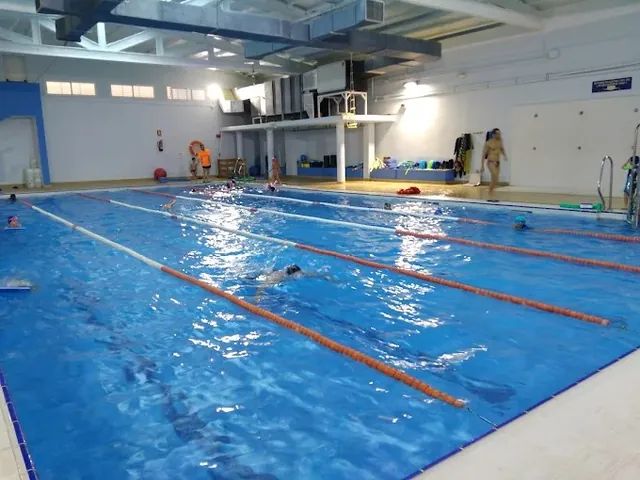
The session starts out of the water with a short review of how your week has been: what has hurt, what you have been able to do. From there, the work in the pool runs in three blocks.
Usual frequency is one or two sessions a week. The heated salt-water pool helps in longer sessions: less eye and skin irritation, and more breathable air if you have rhinitis or mild asthma.
Important: therapeutic swimming does not replace medical treatment or physiotherapy. If you are referred, bring the report so we can adjust the work.
Either you come referred by your doctor or physiotherapist, or you call and explain your case directly.
Bring the report with the diagnosis and recommendations. That lets us adjust the work from the first session and avoid contraindicated exercises.
Call 620 21 66 46 and explain what is going on and what you want to achieve. We will assess whether a group or an individual session fits your case.
If you are after a group water-fitness class instead, see aquagym.
It is not essential to start, but if you have a diagnosis or come referred by a professional, the report lets us tailor the work much better from day one.
In most cases yes, provided there is no serious neurological involvement and your doctor agrees. Water unloads the spine and allows work without the compression of land exercise.
No. Work is done in the shallow end with floats. You can start without being able to swim.
Immediate relief after a session is common from the first week. Lasting functional improvement usually appears between the fourth and eighth week of consistent work.
No. It is a complement. Therapeutic swimming maintains and improves function; treating an acute episode is the job of your doctor and physiotherapist.
Heated salt-water pool, 20-metre lanes and lessons for every age, in the centre of Granada.